
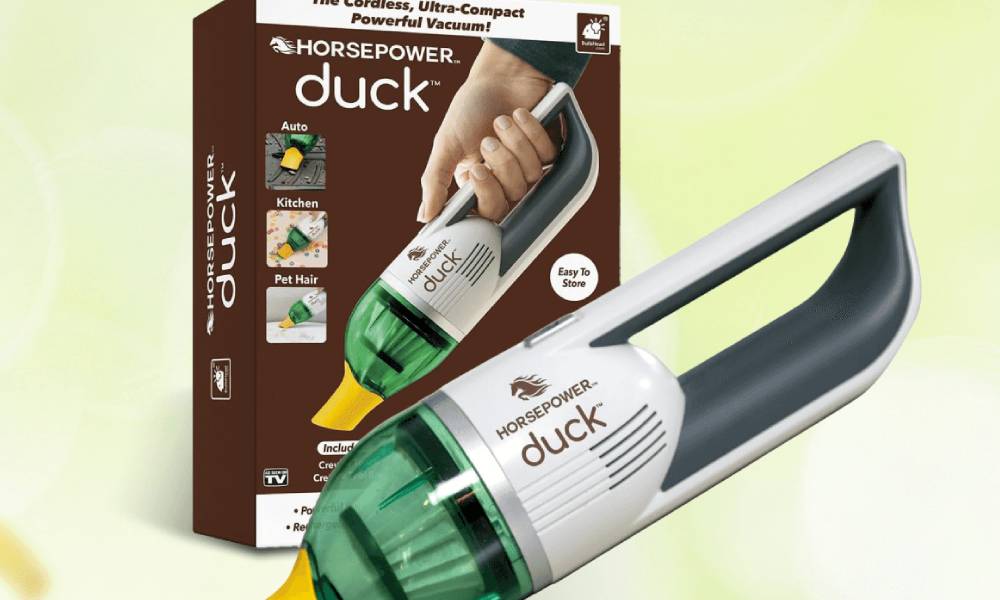
The Horsepower Duck Vacuum is a powerful and versatile cleaning machine designed to deliver professional-grade results in your home, but achieving optimal performance requires understanding how to use it correctly and efficiently. Many homeowners purchase quality vacuums like the Horsepower Duck but fail to maximize their potential simply because they don't know the proper techniques and maintenance practices that separate amateur users from professionals. This comprehensive guide will teach you everything you need to know about using your Horsepower Duck Vacuum like a professional, ensuring you get the most out of your investment while keeping your home spotlessly clean. Whether you're dealing with stubborn pet hair, deep carpet cleaning, or hard floor maintenance, mastering the right techniques will transform your cleaning routine and deliver results that rival professional cleaning services. By following these professional tips and best practices, you'll not only clean more effectively but also extend the lifespan of your vacuum and maintain its peak performance for years to come.
Before you begin using your Horsepower Duck Vacuum, take time to thoroughly read the instruction manual and familiarize yourself with all the attachments, settings, and features your specific model offers. Most Horsepower Duck vacuums come equipped with multiple height adjustment settings that allow you to optimize performance for different floor types, from delicate area rugs to thick pile carpets and hardwood floors. Understanding the various attachment options—including the crevice tool for reaching corners and edges, upholstery brush for furniture and soft surfaces, pet hair attachment for stubborn animal fur, and extension hoses for accessing high or hard-to-reach areas—enables you to tackle virtually any cleaning challenge. Familiarize yourself with your vacuum's filter system, dust container capacity, brush roll mechanics, and any special features like HEPA filtration, anti-tangle technology, or bagless or bagged operation depending on your model. Learn how to properly assemble all components, understand the dust capacity indicators, and identify warning lights or alerts that signal when maintenance is needed. Many professionals recommend keeping the instruction manual in an easily accessible location and referring to it whenever you encounter unfamiliar situations or encounter performance issues.
Professional vacuum operators always perform essential preparation steps before beginning any cleaning session to ensure safety and maximize effectiveness. Empty the dust container completely before each use, as a full container significantly reduces suction power and efficiency, preventing the vacuum from operating at peak performance regardless of its horsepower. Check that all filters are clean by examining them visually and replacing or cleaning them according to manufacturer recommendations, typically monthly for regular use or more frequently in dusty environments or households with pets. Inspect the brush roll thoroughly for tangled hair, string, or debris that can reduce cleaning effectiveness and potentially damage the brush mechanism, removing any obstructions you find with scissors or the cleaning tool provided. Verify that all attachments are securely connected and functioning properly before beginning your cleaning session to avoid performance issues or accidents during use. Clear the area of large objects, toys, cords, and other obstacles that could damage your vacuum or create safety hazards during operation. Check the power cord for any damage or fraying and ensure the outlet you're using is in good working condition and properly grounded for safe operation.
Professional cleaners use specific techniques and patterns that maximize cleaning coverage and effectiveness, and adopting these methods will dramatically improve your results. Begin vacuuming in systematic patterns, working methodically from one end of the room to the other in straight, slightly overlapping lines to ensure complete coverage and prevent missed spots. Use slow, deliberate strokes rather than quick, rushed passes, as slower movement allows the brush roll more time to agitate carpet fibers and lift embedded dirt particles that quick passes would miss. Adjust the height settings appropriately based on your specific floor type—lower settings for thick carpets and higher settings for hard floors and low-pile surfaces—since incorrect height settings reduce effectiveness and can damage delicate flooring. Apply consistent, moderate pressure on the vacuum head without pushing too hard, as excessive force can damage carpet fibers, reduce suction efficiency, and strain the vacuum's motor without providing additional cleaning benefits. For stairs and elevated surfaces, use the hose attachment with appropriate nozzles, always working from top to bottom to prevent dirt from falling onto already-cleaned areas below. Go over high-traffic areas and spots where dirt tends to accumulate multiple times with slightly slower passes to ensure thorough dirt removal from these problem areas.
Different floor types require adjusted techniques and settings to achieve professional results without causing damage, so understanding how to adapt your approach is essential for versatile cleaning. For thick carpets and area rugs, use lower height settings and slower passes to allow proper brush roll contact and agitation, spending extra time in high-traffic areas where dirt accumulation is heaviest. On hardwood and tile floors, switch to higher height settings or use the hard floor brush attachment to prevent scratches and reduce noise while still achieving thorough cleaning. For delicate or antique rugs, use gentle suction and avoid aggressive brush roll contact that could damage fragile fibers, sometimes using handheld attachments instead of the main brush head. Transition smoothly between different floor types by adjusting settings before moving to each new area rather than forcing your vacuum to perform at incorrect settings. For laminate and vinyl flooring, avoid excessive moisture and water that can seep into seams and cause damage, using dry brushing techniques and ensuring the vacuum isn't dispersing moisture. Hardwood floors benefit from gentle suction with brush rolls set to higher positions to prevent scratching while still removing surface dust and debris effectively.
Professional cleaners know how to utilize attachments strategically to clean areas that main brush heads cannot reach, expanding your vacuum's versatility significantly. Use the crevice tool attachment for corners, baseboards, window sills, and narrow spaces between furniture where dirt accumulates and main brushes cannot access effectively. Employ the upholstery brush for furniture, curtains, lampshades, and other fabric surfaces, using gentle to moderate pressure to avoid damaging delicate materials while still removing dust and allergens. Switch to the pet hair attachment when dealing with stubborn pet hair on furniture or carpets, as these specialized brushes are designed to lift embedded pet hair that regular attachments struggle with. Utilize extension hoses to reach ceiling corners, high shelves, and other elevated areas where dust and cobwebs collect, preventing these areas from being overlooked in your cleaning routine. For stairs, work from top to bottom using the appropriate attachment, ensuring each step receives thorough attention and preventing loose dirt from falling onto already-cleaned lower steps. Use the mattress attachment for regular mattress cleaning, which professional cleaners perform monthly to remove dust mites, dead skin cells, and allergens that accumulate in bedding.